
Custom software for growing organizations
Turn manual work into reliable web and mobile systems.
Busara Digital handles product planning, UI/UX, development, launch, and long-term support for organizations that depend on their software to run daily operations.
- 3
- products built and running
- 2
- apps on Google Play
- 4
- organizations served
- Dar es Salaam
- Tanzania-based delivery
About
Software built as business infrastructure, not decoration.
Busara Digital is an independent Tanzania-based studio that builds mobile applications, web platforms, and operational business systems. The work focuses on stable foundations, clear user flows, disciplined engineering, and interfaces that make complex processes easier to run.
Learn more about the studio and its founderServices
Software services shaped around the way your organization works.
Each engagement is planned around a defined business problem, practical deliverables, and a clear delivery process.
Custom Business Software
Operational platforms, dashboards, and workflow systems designed around roles, records, approvals, and reporting.
Web Application Development
Secure, accessible web platforms for teams and users who need shared information, workflows, and visibility.
Mobile Application Development
Practical Android and cross-platform applications for people who need dependable products in real working environments.
Product Strategy, Requirements & UI/UX
Product definition, workflow mapping, interface direction, and technical planning before costly build decisions.
Delivery process
A structured path from first conversation to long-term improvement.
- STEP 1
Discovery
Understand the problem, users, and constraints.
- STEP 2
Requirements & Proposal
Agree scope, phases, responsibilities, budget, and timeline.
- STEP 3
Design & Architecture
Map user flows, interfaces, data, and technical structure.
- STEP 4
Development
Build in agreed milestones with review demos.
- STEP 5
Testing & Acceptance
Verify functionality, usability, and agreed requirements.
- STEP 6
Launch & Handover
Deploy and transfer the agreed project assets.
- STEP 7
Support & Improvement
Fix bugs and plan further work under the agreement.
- AFTER LAUNCH
A 60-day bug-fix warranty applies from final submission. Further work is planned under a support agreement.
Selected work
Systems that are live and in daily use.
Each engagement below has a verifiable status. Work still in development is published only once there is something concrete to show.
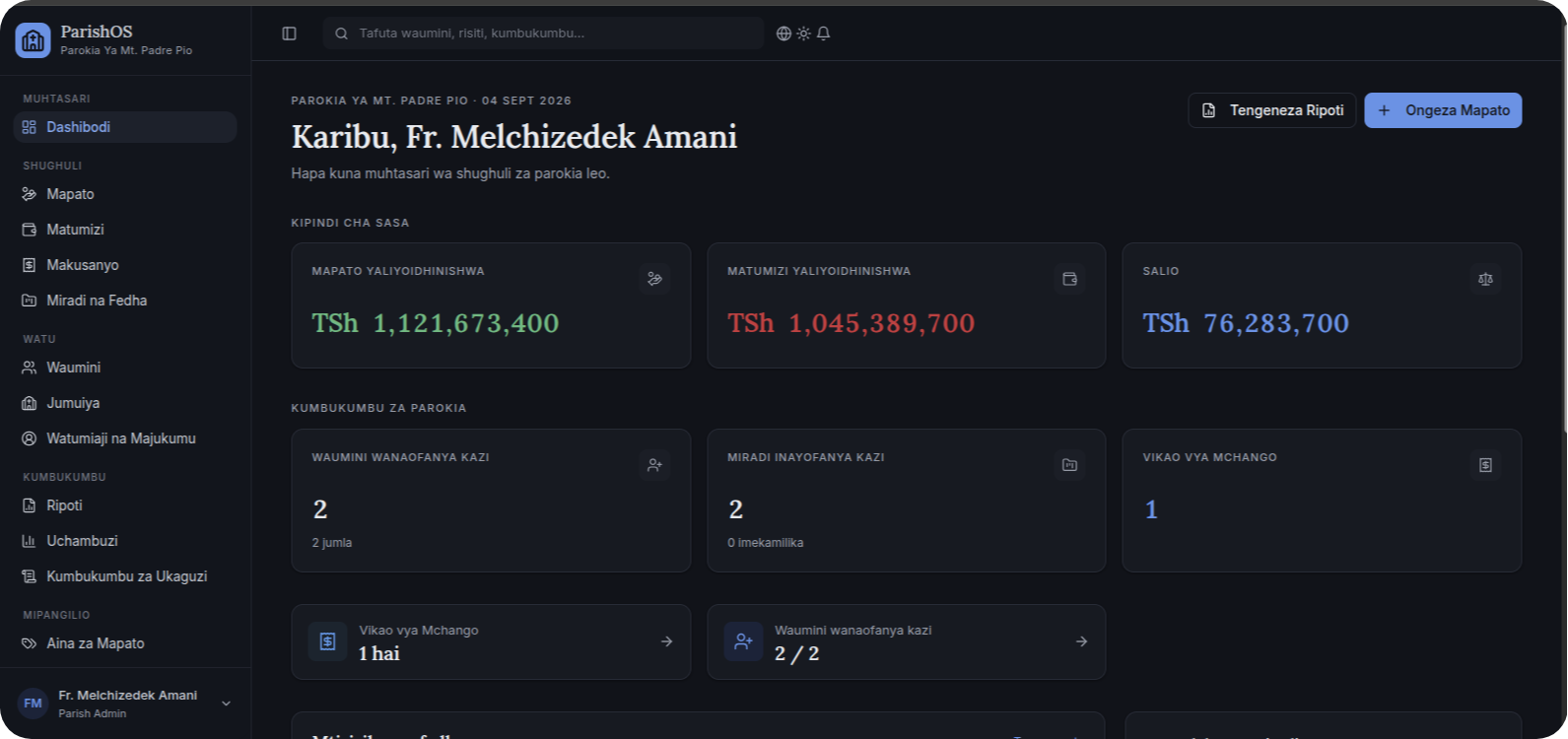
Religious institution — financial management
ParishOS
Parish financial record-keeping was manual and fragmented. Contributions, pledges, and expenses were recorded across notebooks and separate spreadsheets, which made reconciliation slow and reporting to the diocese difficult.
Live — in active use
Read case study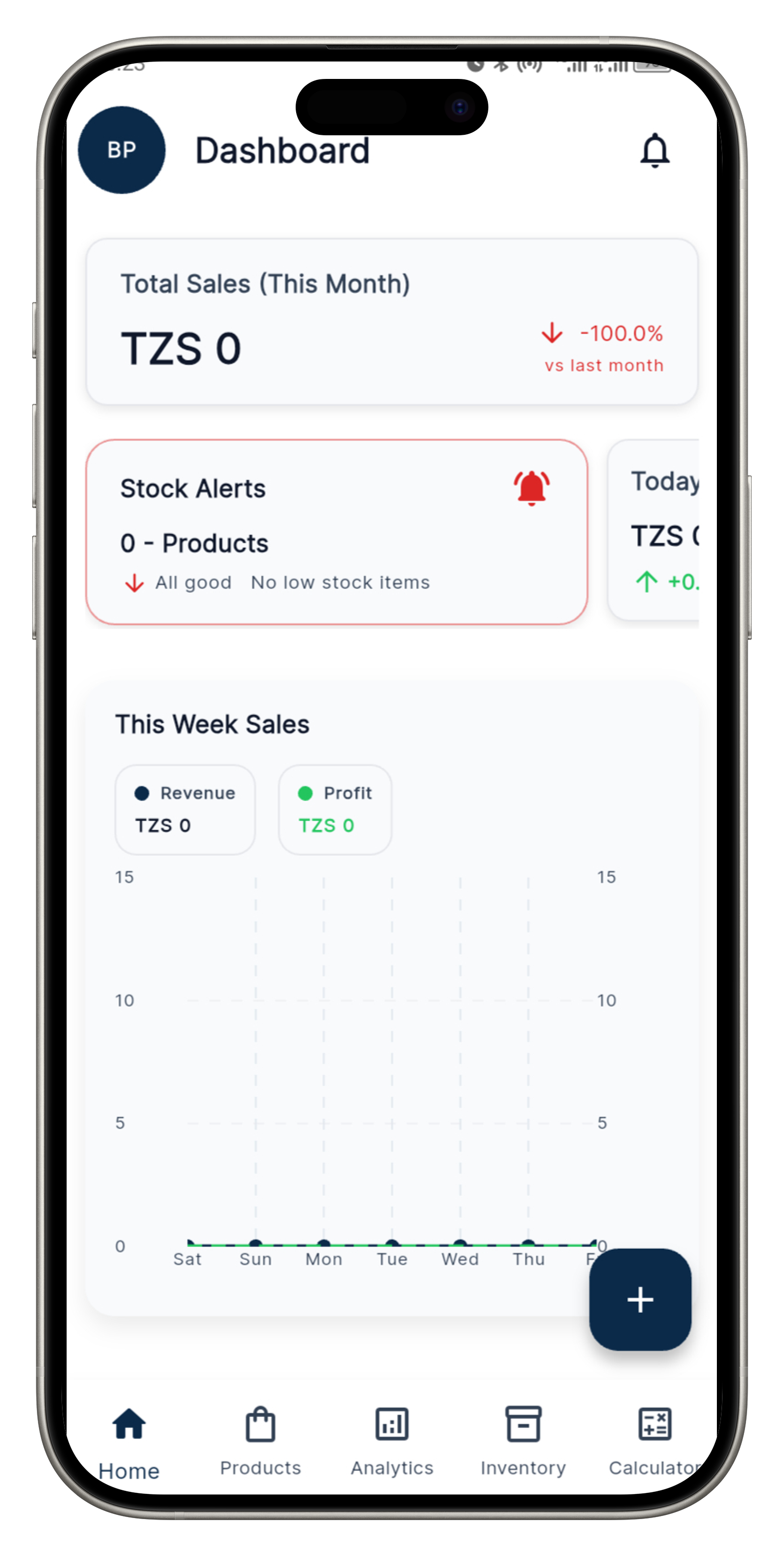
Retail — small business operations
Sokofy POS
Small shop owners had no clear daily record of sales, stock movement, and expenses. Decisions about restocking and pricing were made from memory, and losses were only noticed long after they happened.
Live on Google Play
Read case study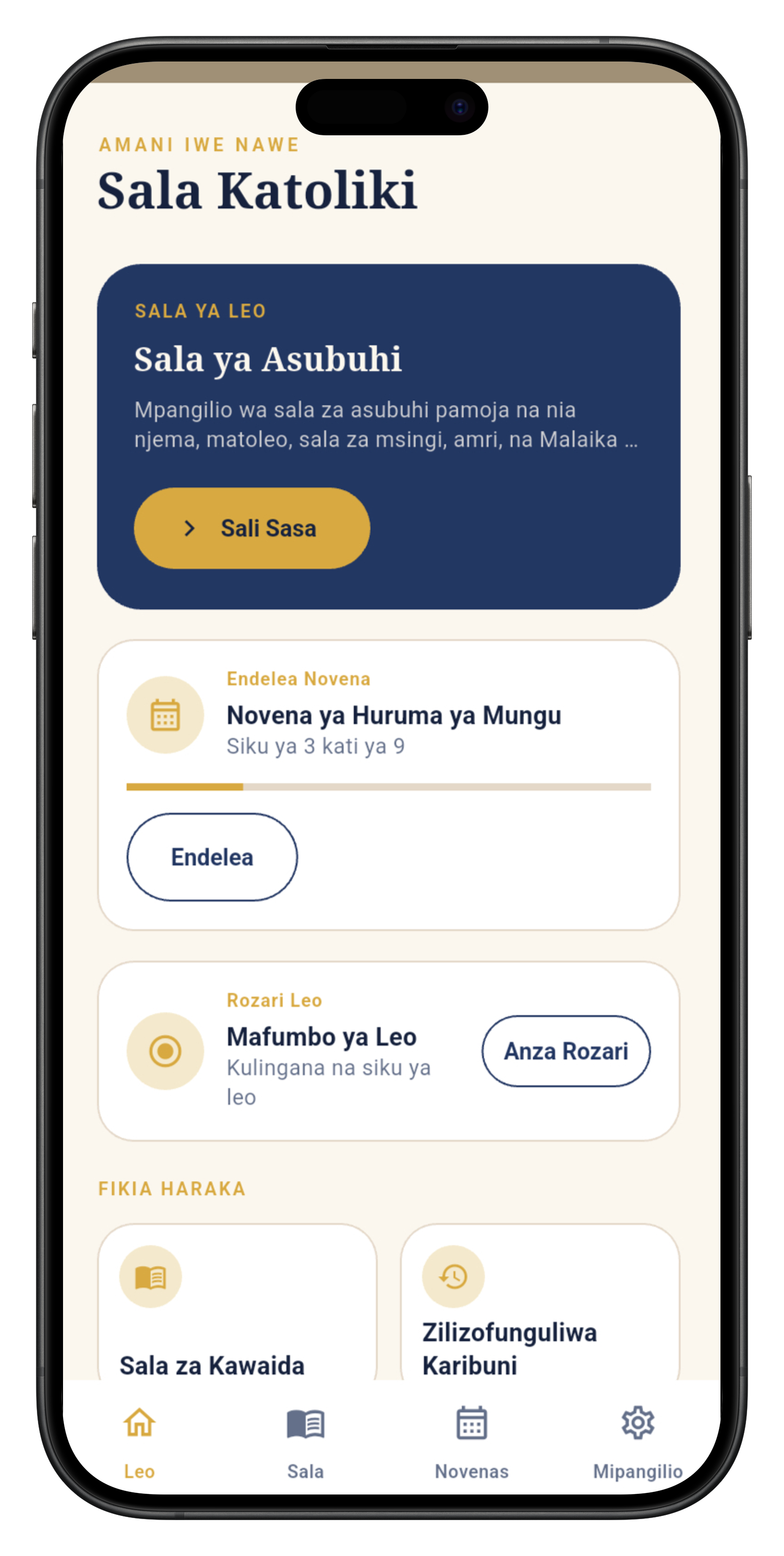
Faith — consumer application
Sala Katoliki
Catholic users needed reliable access to prayer content without depending on a network connection, and existing options were inconsistent in language and structure.
Live on Google Play
Read case studyWhy Busara Digital
Four things that stay consistent across every engagement.
Structured engineering
Clear modules, reliable data flow, and implementation choices that stay maintainable after the first release.
Business-focused product thinking
Features are shaped around operational value, not unnecessary complexity or things that only demo well.
Clean modern execution
Interfaces are restrained, polished, and suitable for serious organizations and their day-to-day staff.
Long-term ownership mindset
Systems are prepared for support, improvement, and future growth, with documentation and a clear handover.
Delivery FAQs
Useful answers before you start a project.
How is project scope defined?
We begin by understanding the business problem, users, workflows, priorities, and constraints. The agreed scope is documented in the proposal before development begins.
How long will a project take?
Timelines depend on scope, integrations, feedback speed, and the required deliverables. A practical timeline and milestones are agreed after discovery rather than promised before the work is understood.
How is pricing calculated?
Pricing is based on scope, complexity, and the deliverables in the proposal. Larger engagements are split into phases with milestone payments so cost stays tied to delivered work.
Who owns the software after launch?
Ownership of the agreed project assets transfers to the client at handover, as set out in the proposal. Third-party services and licences remain under their own terms.
What happens when requirements change mid-project?
Changes are expected. Small adjustments are absorbed within the current phase; anything that affects scope, cost, or timeline is written up and agreed before it is built.
What support is available after launch?
A 60-day bug-fix warranty applies from final project submission. Operational support, new features, and further improvements are planned under a separate support or maintenance agreement.
Contact
Discuss your project.
Tell us what you are trying to improve, the users involved, and your preferred timeline. We will review the request and explain the most practical next step.